Receive messages on the diary post.
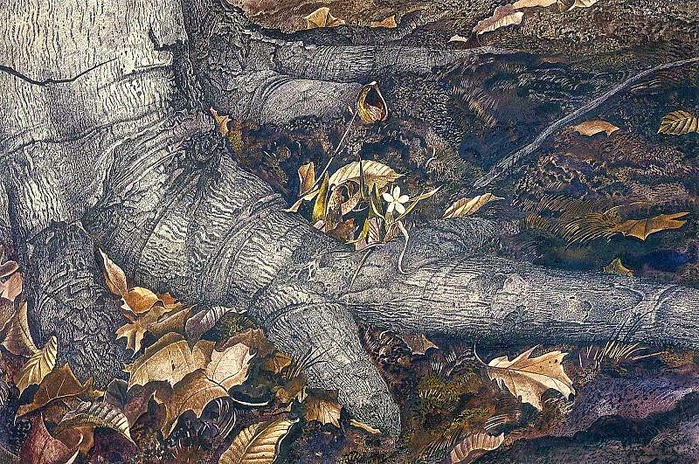
Artist Schilder Andrei.

Yiruma "First love" I


Priroda _-_ Penie_utrennih_ptic_i_muzyka


Artist Schilder Andrei.
Yiruma "First love" I
Priroda _-_ Penie_utrennih_ptic_i_muzyka

Schilder Andrei (1861 - 1919)
Outstanding Russian artist. He was born in St. Petersburg, Russia, in the family of artist H. Schilder. From 1877 attended the workshop Shishkin and participated in joint creative journeys to the Crimea, Belovezhskaya Pushcha on Valaam. Being a volunteer at the St. Petersburg Academy of Arts (1878 - 1883), won two first prizes and a small silver medal for the scenery. Participated in exhibitions of Arts, and OPH TPHV (since 1894 a member of the T-va). In 1880 won the first prize for the OPH landscape. Special popularity brought two large panorama made for the Nizhny Novgorod All-Russia Exhibition (1896) and the World Exhibition in Paris (1900). In 1903, "in recognition of the artistic field" was awarded the title of academician of landscape painting. He turned to the technique of etching, printed graphics exhibited at the first exhibition Blanc et Noir in St. Petersburg. Published drawings and reproductions of paintings in the magazines "North", "Pictorial Review", "World illustration", "Swallow", "Virgin Soil", "Artist". Worked on the decorations for the performances of the theaters of St. Petersburg. Continued to work in the field of monumental and decorative (panoramic) painting. His works are in the State Tretyakov Gallery, museums Astrakhan, Kursk, Nizhny Novgorod, Taganrog, Rostov, Yaroslavl, Kostroma, Arkhangelsk, Zaporozhye and many other XM Russia and Ukraine.
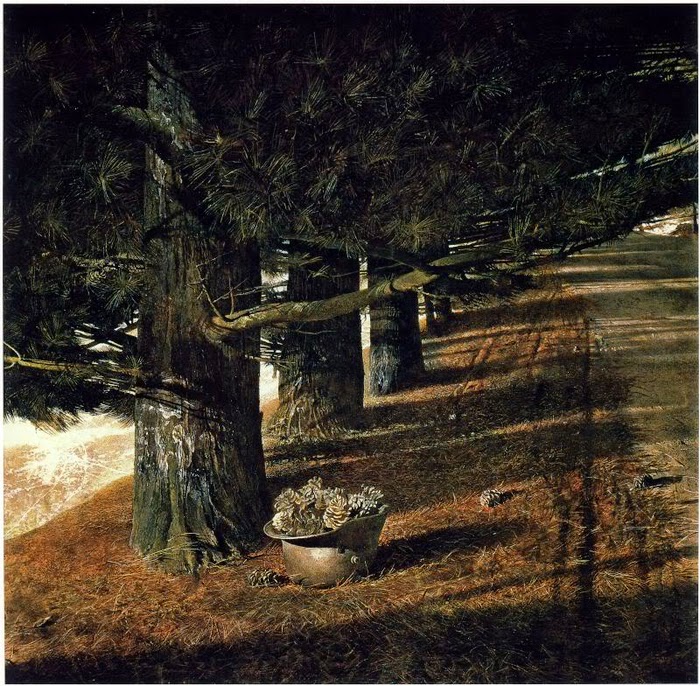
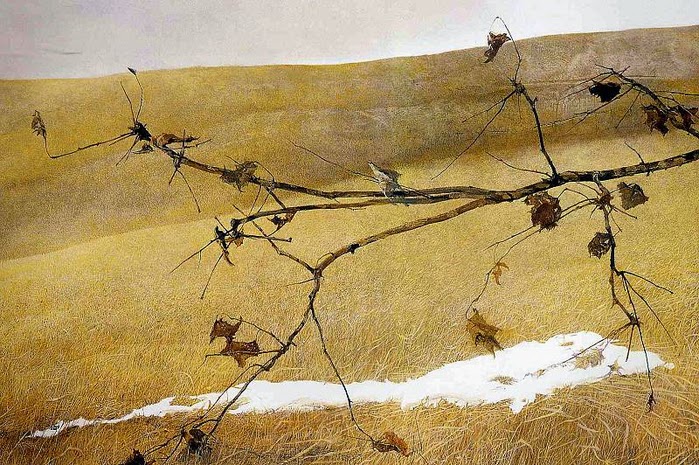
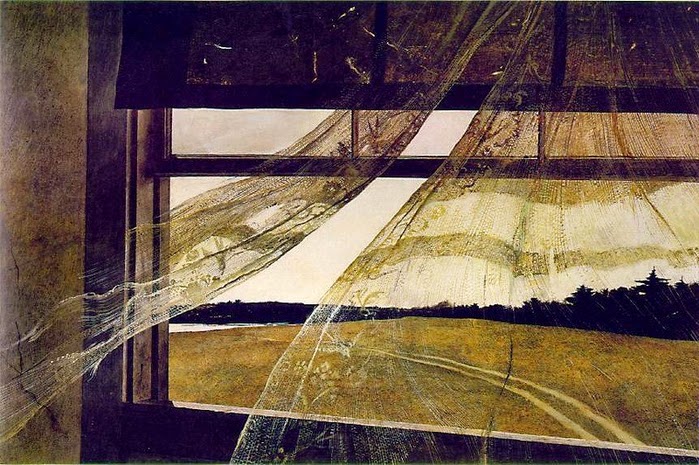
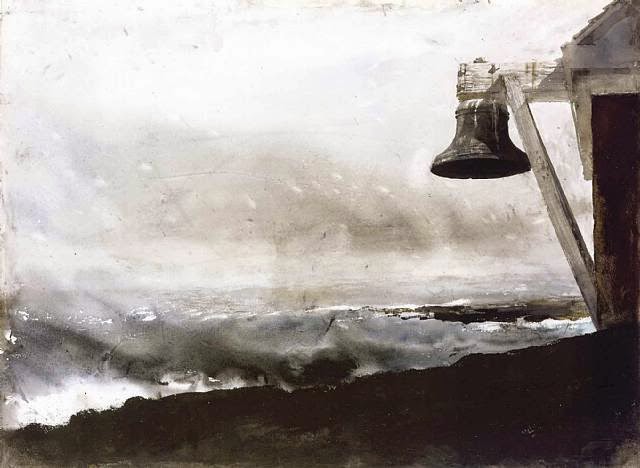
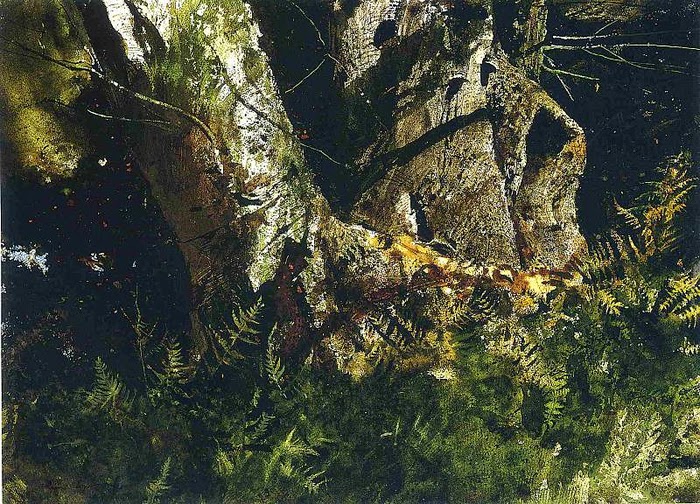
Very hardworking and versatile in their creative work, the artist much fruitful work. However, a favorite genre A. Schilder was always the landscape. Forest had motives in his work a kind, technically perfect and truly poetic implementation. They were particularly softness, lyricism and emotion. Living in the tactile image, the natural movement of light and shadow, compositional generalized products A. Schilder made him a number of sought-after artists of his time.